
Single-Layer vs Double-Layer Oil Tanks: Which One Is Right for Your Project?

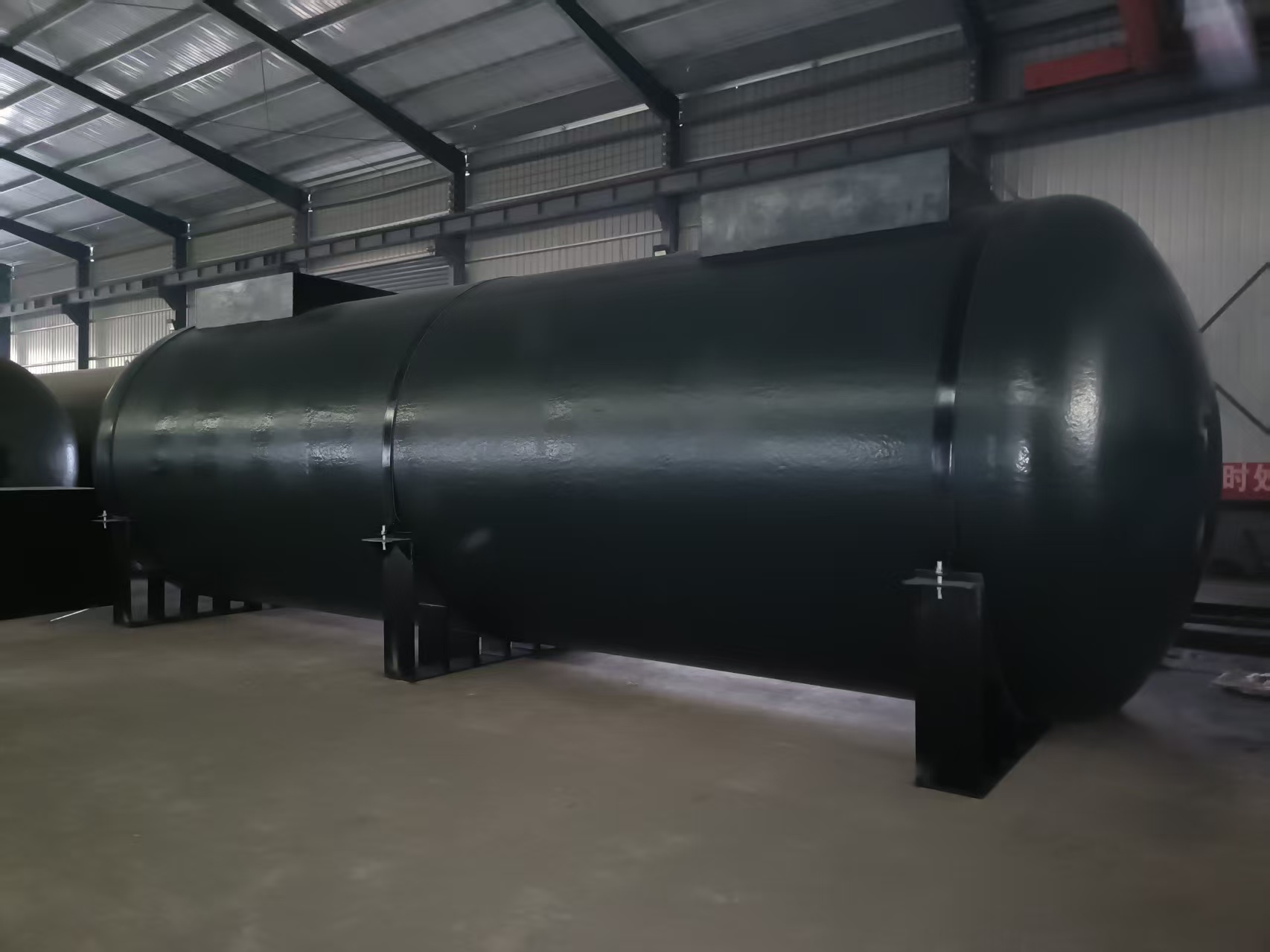
When selecting an oil storage solution, one of the most common questions buyers face is whether to choose a single-layer or a double-layer oil tank. Both options are widely used across industrial sectors, but each serves different operational needs.
Understanding the differences between these two tank types can help you make a more cost-effective and safer decision for your project.
What Is a Single-Layer Oil Tank?
A single-layer oil tank is constructed with one steel shell designed to store fuel or oil directly. This type of tank is known for its simple structure, ease of installation, and lower initial cost.
Key Advantages
Cost-effective solution for standard storage needs
Simple design with easy inspection access
Suitable for controlled environments
Shorter manufacturing and installation time
Single-layer tanks are commonly used in industrial facilities where secondary containment is already in place or where regulations allow their use.
What Is a Double-Layer Oil Tank?
Double-layer oil tanks consist of an inner tank that holds the fuel and an outer tank that provides secondary containment. This design significantly enhances safety and environmental protection.
Key Advantages
Extra protection against leaks
Higher environmental safety standards
Reduced risk of soil and groundwater contamination
Suitable for high-risk or high-volume fuel storage
Double-layer tanks are often required in projects with strict safety or environmental regulations.
Safety and Environmental Considerations
Safety regulations vary by region, but many industrial standards increasingly favor double-layer designs due to their added protection. Businesses operating in sensitive environments or high-traffic industrial zones often choose double-layer tanks to minimize risk.
Choosing the right tank type helps ensure compliance while protecting both operations and the surrounding environment.
Cost vs Long-Term Value
While single-layer oil tanks generally have a lower upfront cost, double-layer tanks often deliver better long-term value. Reduced environmental risk, lower insurance costs, and fewer compliance issues can offset the initial investment over time.
Decision-makers should evaluate both short-term budgets and long-term operational stability.
Customization for Industrial Applications
Both single-layer and double-layer oil tanks can be customized based on capacity, material grade, and project requirements. Working with an experienced manufacturer allows businesses to optimize tank design for their specific use case.
Customization ensures efficiency without compromising safety.
Which Oil Tank Should You Choose?
The right choice depends on several factors:
Project location
Local safety regulations
Fuel volume requirements
Environmental sensitivity
Budget considerations
Consulting with a professional tank manufacturer can help clarify the best option for your application.
Choose a Reliable Oil Tank Manufacturer
Regardless of tank type, manufacturing quality plays a crucial role in safety and performance. High-grade materials, precision welding, and strict quality control ensure reliable operation over the tank’s service life.
A well-designed oil tank is more than storage — it is a foundation for safe and efficient fuel management.
👉 Need help choosing the right oil tank?
Contact our team today for expert guidance and customized fuel storage solutions designed for industrial use.